
Why Calm Homes Start With Fewer Visual Distractions
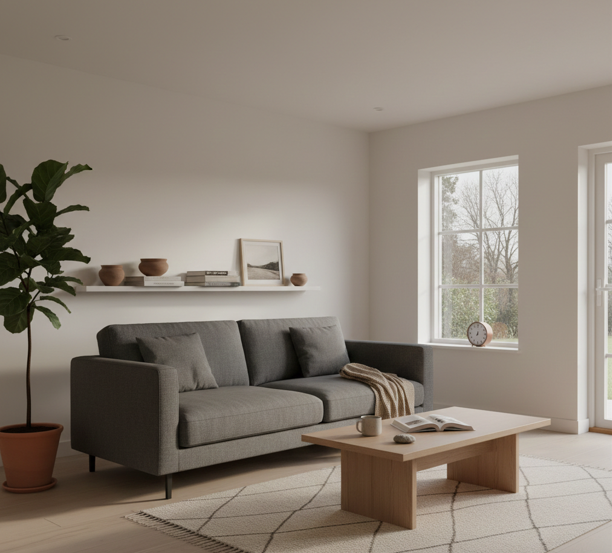
A peaceful home isn’t by accident; it’s by intention, by making intentional decisions that foster clarity, comfort, and a sense of ease. One of the biggest, yet most neglected, aspects of a peaceful home is reducing visual distractions. Too many visual stimuli cause our minds to struggle to find peace. By reducing visual distractions, we create a home that is more peaceful and conducive to well-being.
We’re already bombarded with visual distractions outside of our home. Between screens, notifications, and constant information, our minds are challenged to stay focused throughout the day. Our home, therefore, needs to be a respite from visual distractions, not an addition to it.
How Visual Clutter Affects the Mind
Visual clutter is not limited to messiness; it includes anything that overwhelms our visual senses or creates visual chaos. Too many colors, patterns, decorative items, or furniture styles are all visual distractions that can cause mental fatigue. Our minds process everything we see, even though we are not consciously aware of it. By reducing visual distractions, we help our minds relax, not stay stimulated.
Environmental psychology research has shown that overwhelming spaces cause stress, decrease focus, and increase stress levels. This means that an overwhelming visual environment causes stress, which, in turn, causes difficulty concentrating, restlessness, irritability, and inability to relax, especially at home. A peaceful visual environment, therefore, allows for slower breathing, clearer thinking, and greater control over our environment. By reducing visual distractions, we do not aim to create a boring, empty space, but to prioritize visual harmony.
Choosing Simplicity Over Excess
One of the best ways to reduce visual distractions is to reduce the amount of things being displayed. One way to do this is to be more selective with the things you display. While it can be tempting to fill a space with as many decorative items as possible, the reality is that this often has the opposite effect. A few items that are meaningful or functional are a great way to reduce stress and promote a sense of calm.
Furniture is also important. A sense of visual flow is created by furniture that has clean lines and a cohesive look. When furniture is distracting, the rest of the space feels this way as well. A sense of order and normalcy is created by having a cohesive look.
Colors are also important. A home with a lot of different colors can be distracting. By limiting the colors used to a few different ones that go well together, a sense of visual flow is created. Muted colors and natural tones are great choices as they are easy to live with.
Creating Restful Focal Points
A restful home has a sense of visual calm. This is created by having a few things within a space that demand your attention. When everything is competing for your visual attention, nothing stands out. By creating a few visual focal points within a space, the visual eye has a place to rest. This helps the entire space feel more relaxed.
Space is as important as the things within the space. By leaving some negative space within a home, the space itself has a chance to be highlighted. This helps prevent visual distractions and makes the home feel more spacious.
Living More Calmly Through Design
Reducing visual distractions allows for a more relaxed pace of living. When the home is more easily navigated visually, it reduces the feeling of exhaustion with the need to constantly clean, organize, and improve. The home works with you, not against you.
A calm home does not need to be perfect. A calm home needs to be aware. Through the choice of simplicity, unity, and restraint, the home becomes a place of calm support where the mind slows down and feels at ease with fewer visual distractions.
