
The Emotional Language of Flowers in Botanical Art
The use of flowers as a means of communication has been significant in botanical art for a long time. Flowers are used to communicate emotions, memories, and meaning through observation, color, and form. Botanical art may seem to be merely decorative, but beneath the surface, it has an emotional vocabulary that speaks to the viewer.
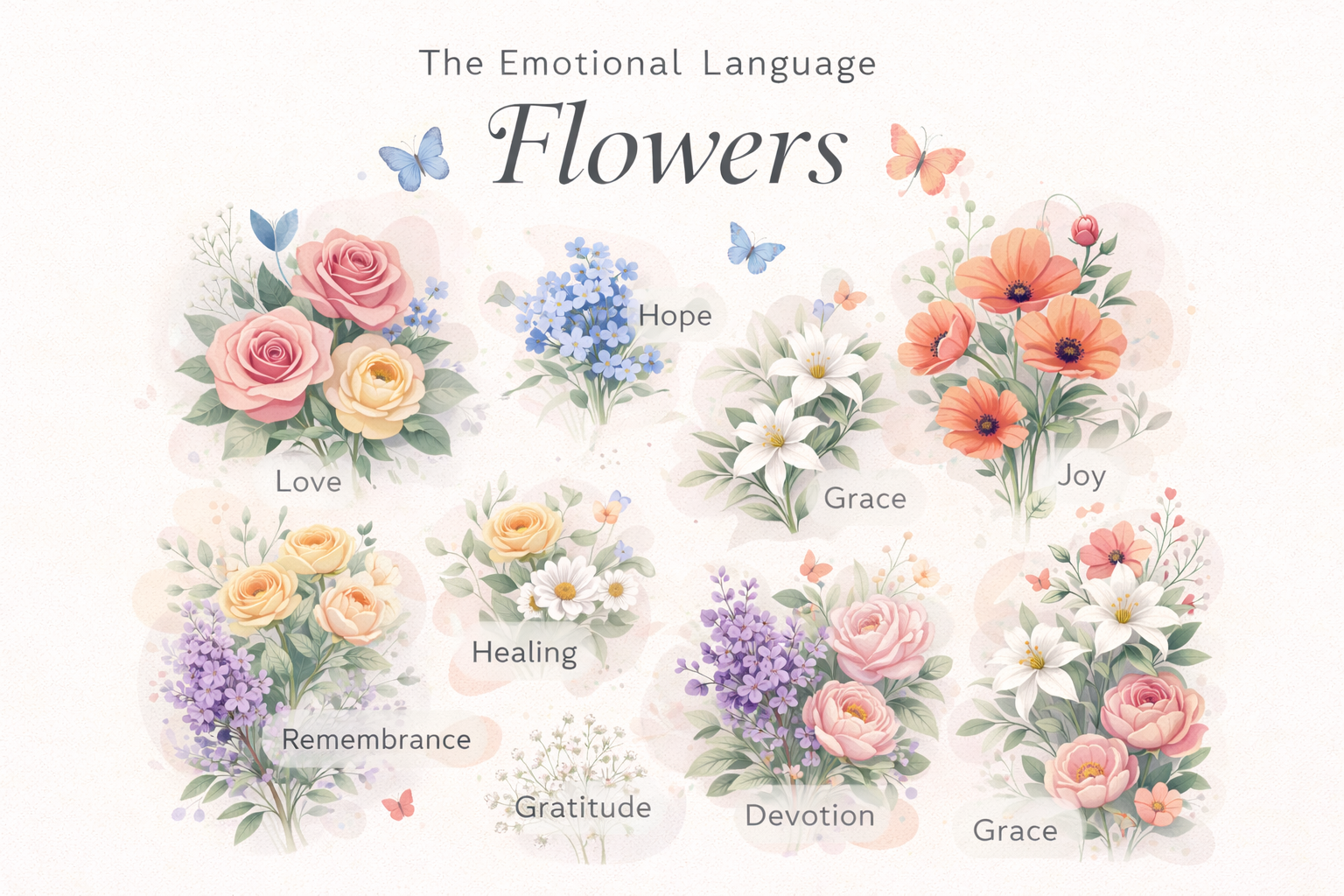
Flowers have been associated with symbolism and sentiment throughout the course of history. Different flowers have been used to communicate love, death, hope, and renewal, among other emotions, depending on the culture and time. Botanical artists may use this knowledge consciously or unconsciously. A single flower may be used to communicate vulnerability or strength, among other emotions. A group of flowers may be used to communicate plenty or security. Although the symbolic meaning of flowers may not be known, the viewer may still respond emotionally to the presence of the flowers.
One of the reasons flowers are particularly effective in botanical art is that they are associated with the cycle of life. The cycle of flowers, which includes the bud, the full flower, and the fading flower, mirrors the cycle of human experience. Botanical art captures the flower at any point in its cycle.
*Using Floral Colour to Shape Mood
Colour is one of the first ways of communicating emotions in botanical art. Pale colors, including pink, cream, and pale green, are associated with calmness, tenderness, and security. Such art would be particularly suitable for bedrooms and living rooms where sleep is important. Darker colors, including burgundy, rust, and indigo, are associated with warmth, intensity, and introspection. Such art would be particularly suitable for dining rooms and creative rooms. Botanical art allows you to use color to shape the emotional character of your rooms.
Capturing Life Stages through Floral Form
The stage of the flower’s life that is represented has significant emotional connotations. Botanical art that represents the flower at the bud stage or the early stages of opening can be representative of new beginnings and hope. Such art pieces tend to be uplifting and can be used in hallways or work spaces that are associated with forward movement. Flowers that are already fully open can be representative of confidence and joy and can be used to create a sense of vitality in shared living spaces. More subdued art pieces that feature the flower’s seed head or the dying petals can be representative of grounding and can be used in private spaces.
The lines and forms used to create the art pieces also have significant emotional connotations. The smooth lines and forms used to create the art pieces can be representative of stability and vulnerability. Botanical art pieces are a blend of precision and sensitivity, where the lines and forms used to create the art pieces influence the emotional connotations that the viewer derives from the art piece.
Creating an Emotional Connection through Familiar Flowers
Botanical art pieces have significant emotional connotations when they feature flowers that are familiar to the viewer. Botanical art pieces that feature wildflowers can create an emotional connection to the viewer’s childhood. Flowers that are used to create the art pieces can be representative of routine and caring. Herbs and simple flowers tend to create an emotional connection that is representative of comfort and familiarity.
There is also an element of care inherent in botanical art. The attention given to studying and accurately depicting a plant is reflected in the final product. This type of attention is comforting to an audience, providing a counterbalance to a world that is moving at a rapid, overwhelming pace.
The language of emotions in botanical art is understated, yet timeless, and it is deeply human. The world can be moving at such a rapid clip, but botanical art encourages us to slow down, look, and feel.
